
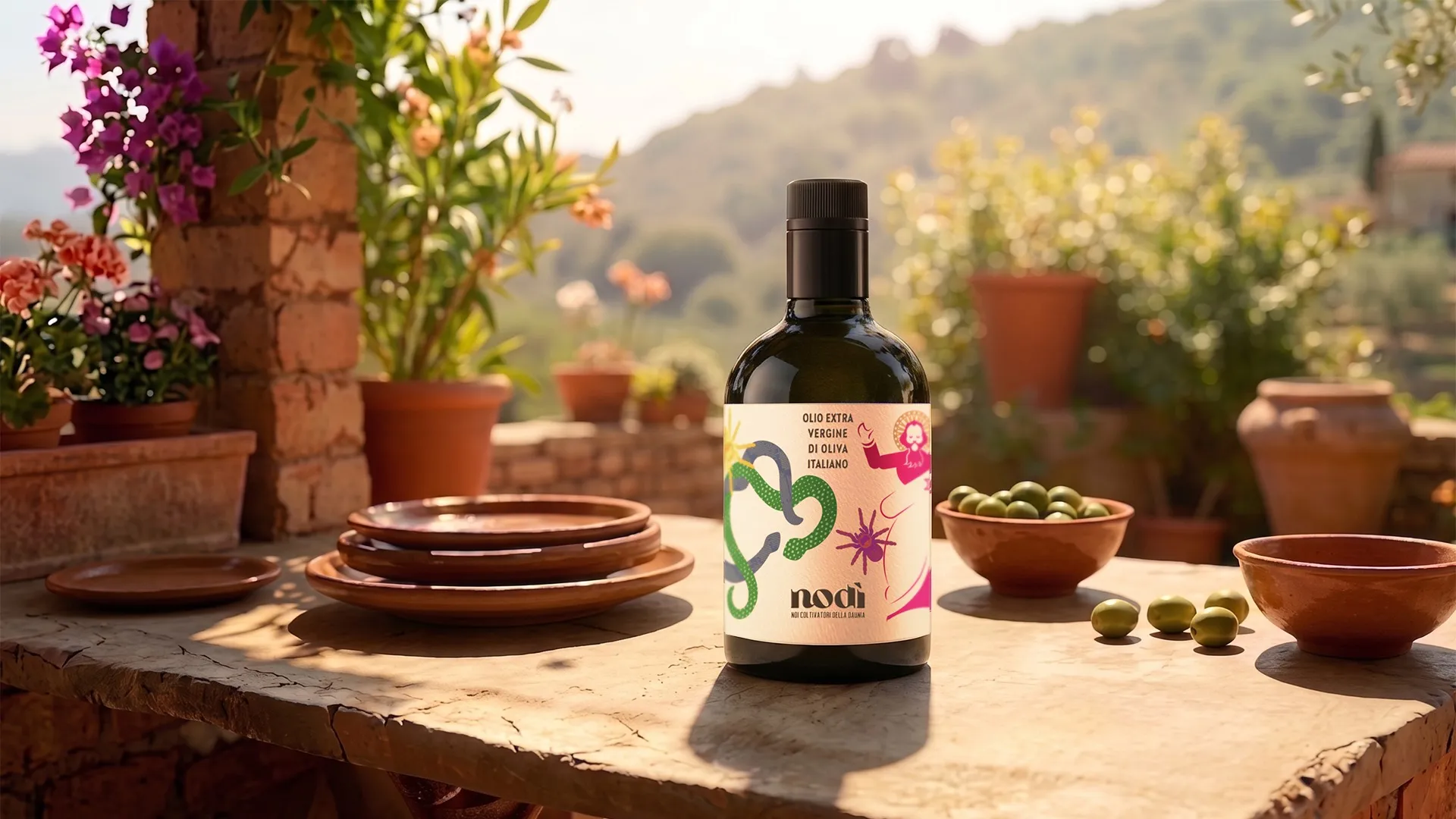
SAN PAOLO LINE
Tradition, territory and authenticity from Daunia
What is a sacred image doing on the label of an extra virgin olive oil bottle?
That figure, so stern with his halo, a solemn beard, a long sword and a book in his hands, is a Saint, one of the most important to Christians and one of the best known even to those who are not.
The Apostle of the Gentiles, as he is called, is even more important to the people of Daunia, who have revered him with particular fervour since time immemorial — so much so that in the sixteenth century a village was dedicated to him, the village that later became our town and the place where the adventure of Nodì began: San Paolo di Civitate.
Our farm's bond with this land is more than geographic; its microclimate, unique thanks to the Dauni mountains that embrace the Tavoliere plain and the breath of the sea that cradles it, gives us the privilege of growing genuine, flavour-rich produce — but that is not the only reason we hold fast to this earth.
Its ancient soul, sacredness, history and rituals live in our D.N.A., in the organoleptic notes of our oil and in every aroma that tells the story of this land.
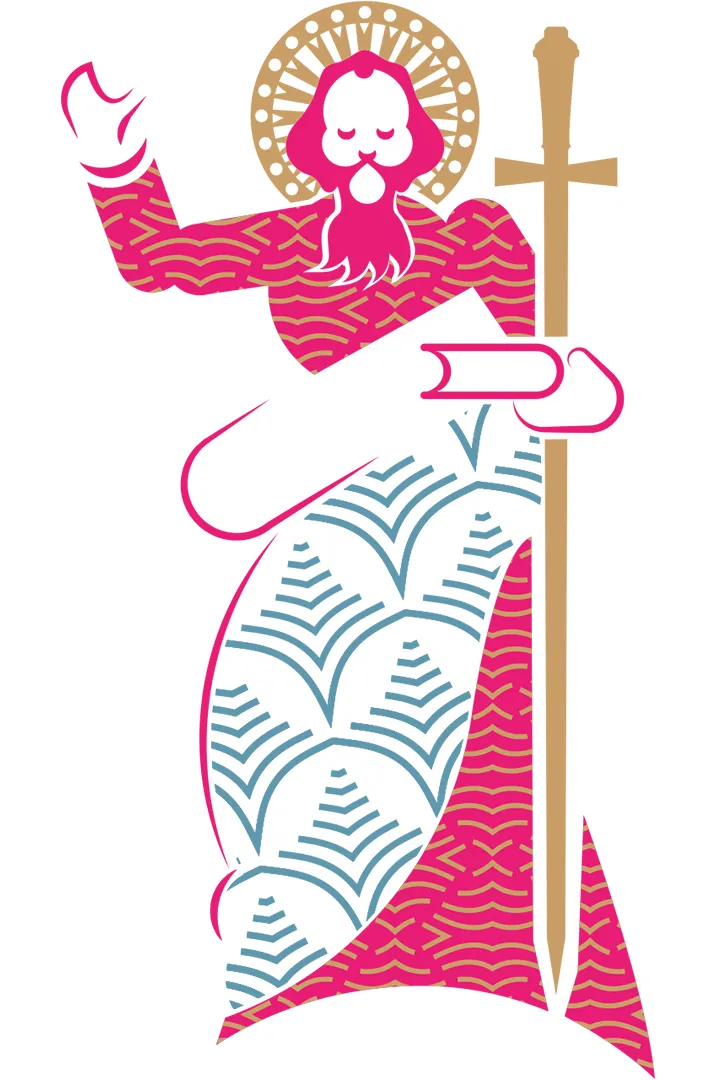
That explains Saint Paul on our label, halo, sword and all — but what about the snakes and tarantulas?
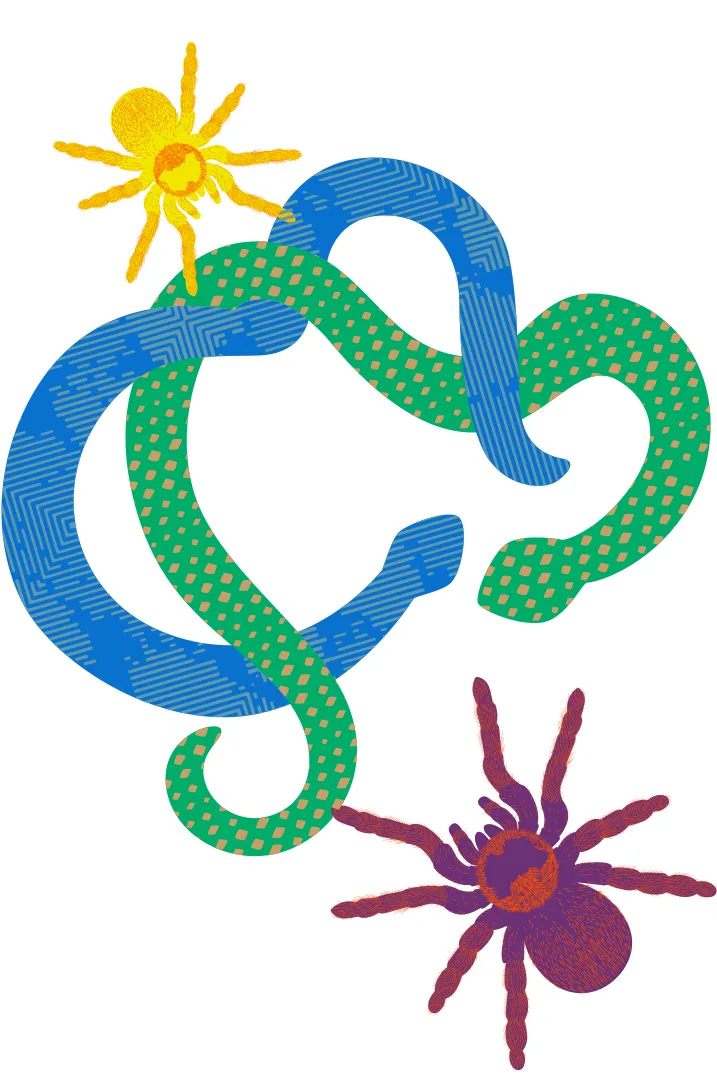
The Gargano and Daunia are rich with stories tied to these creatures, and it was believed that invoking Saint Paul would heal those bitten by them and free the land from their invasions: in the Acts of the Apostles we read that, when shipwrecked on Malta during his journey to Rome, he was bitten by a viper and miraculously suffered no harm.
The saint stood at the heart of a cult practised in our town during harvest time, the summer season — the time when farmers were most vulnerable to the bite of these creatures. The same happened in Salento, in Galatina, the cradle of tarantism.
According to the accounts, hibernating snakes — mostly grass snakes — were caught by peasants and gathered in a pit located right next to the church of San Paolo. The ritual required townsfolk to slip a hand inside the pit; the absence of a bite was the sign that the saint had spread his mantle over the community, granting his protection and a year rich in rewards and free from calamity.
Where myth meets peasant tradition,
between the sacred and the soil — the soul of Daunia in every drop.
This sacred figure, then — an elegant reinterpretation of the seventeenth-century statue kept in the church of San Paolo di Civitate — together with the snakes and tarantulas, are the notes of a score that still marks the gestures of our farmers. An ancient music that resonates in the unmistakable character of our products and stands as the seal of their genuineness, a guarantee of their origin. It is also a wish of prosperity we want to share with you, who choose the uniqueness of the flavours and scents of our land, bringing them to your table.